

Items include
economy
Economic Indicators
Amidst elevated uncertainty about economic outlook and uncertain implications of developments in the Middle East, the Fed maintains a pause for the second consecutive time. The Fed revised projections for GDP and inflation higher, while implied projection for interest rates...
As expected, the FOMC did not change its benchmark rate at this meeting, pausing after three cuts in 2025. Policymakers held the federal funds target range at 3.50%–3.75% and signaled a cautious stance on future cuts amid inflation remaining above...
As expected, the FOMC lowered the federal funds rate target range by 25bp to 3.50%-3.75%. The Fed will begin $40B of T-Bill purchases on 12/12/2025 to maintain an ample supply of reserves. A tweak in the statement referring to “the...
As expected, the FOMC changed its benchmark rate range from 4.25%-4.50% to 4.00%-4.25% for the first time this year. The Fed projects an additional 50bp in rate cuts by the end of 2025. Fed median projections for 2025 GDP rises...
As expected, the FOMC did not change its benchmark rate range from 4.25%-4.50% for the fourth consecutive meeting. The Fed’s economic projections maintain 50bp of rate cuts in 2025. However, they raised their 2025 inflation projections to 3% (up from...
Aligning with market consensus, the FOMC did not change its benchmark rate from 4.25%-4.50% for the third consecutive time. The Fed addresses “shifts in net exports” with no direct acknowledgement of the first negative real GDP print since 2022. The...
As expected, the FOMC did not change its benchmark rate range from 4.25%–4.50%. The Fed’s updated economic projections indicate a 50bp rate cut by the end of 2025, bringing the federal funds rate to 3.88%. The median forecast for PCE...
Aligning with market consensus, the FOMC did not change its benchmark rate range from 4.25%-4.50%. The Fed stated “inflation remains somewhat elevated,” revising their initial statement: “inflation has made progress toward the Committee’s 2% objective.” Meanwhile, revisions were made to...
As expected, the Fed lowered the benchmark rate by 25bp to a target range of 4.25%-4.50%, making the third rate cut in over four years. The Fed’s updated economic projections now show a 50bp rate cut in 2025 to 3.9%...
As expected, the Fed lowered the benchmark rate by 25bp to a target range of 4.50%-4.75%, the second rate cut in the past four years. The Fed changed language on this statement to note “labor market conditions have generally eased,”...
The Fed lowered the benchmark rate by 50bp to a target range of 4.75%-5.00%, the first rate cut in over four years. The Fed sees rates at 4.4% by the end of 2024, and 3.4% by the end of 2025....
As expected, the FOMC did not change its benchmark rate range from 5.25%-5.50% for the eighth consecutive meeting. According to the statement, upside risks to inflation have decreased as the labor market has softened, and it noted that careful monitoring...
As expected, the FOMC did not change its benchmark rate range from 5.25%-5.50% for the seventh consecutive meeting. The Fed also updated rate cut projections for 2024 from 75bp to 25bp, and increased 2025 rate cut projections from 75bp to...
As anticipated, the FOMC did not change its benchmark rate range from 5.25%-5.50% for the sixth consecutive meeting. The Fed stated “there has been a lack of further progress toward the Committee’s 2% inflation objective”, implying they will remain on...
As expected, the FOMC did not change its benchmark rate range from 5.25%-5.50% for the fifth consecutive meeting. The Fed’s updated economic projections maintain 75bps of rate cuts in 2024. However, the 2025 rate cut projections were reduced to 75bps...
As expected, the FOMC did not change its benchmark rate range from 5.25%-5.50% for the fourth consecutive meeting. The Fed implied they are done raising rates, however they are not ready to start cutting rates at the next meeting. The...

Senior housing is becoming an increasingly attractive lending opportunity for CFIs, but as competition intensifies, success will depend on strong relationships, local knowledge, and understanding the economics behind the property.

Several independent forces are converging to make 2026 planning assumptions less reliable than they've been in years. We look at three of these forces and suggest practical steps CFIs can take now to prepare for a range of different outcomes.

Efforts to enhance supply chain resilience, coupled with federal incentives such as tax breaks and subsidies, are driving a reshoring wave among manufacturers that creates financing opportunities for CFIs.

Massive new data centers are being financed with equally large loans by some of the biggest banks and financial companies. There are still opportunities for CFIs to participate, but they need to be mindful of the risks.

Q1 saw NIM compression and strong loan growth. Now, with rate expectations flipping from cuts to a possible hike by year-end, here’s what CFIs need to think through going into H2.

Behavioral economics, the study of how we make decisions, is used by many CFIs in various ways. We look at three areas of your business where understanding behavioral economics can help you better serve your customers.

The FDIC’s 2026 post‑mortem of 2023 bank runs shows digital banking and large uninsured deposits can accelerate outflows, while diversified insured retail deposits remain a key stabilizer for liquidity risk.

We review April 2026 economic data and indicators, highlighting trends in consumer activity, employment, inflation, housing, and Fed policy — offering a snapshot of current financial and market conditions.

CFIs face rising credit and deposit risks in a K‑shaped economy; learn how to monitor vulnerable SMB segments, stress test portfolios, and tailor support to manage delinquencies and uncover growth.

We review February 2026 economic data and indicators, highlighting trends in consumer activity, banking industry trends, inflation, housing, and Fed policy — offering a snapshot of current financial and market conditions.

US consumer confidence fell sharply in January 2026 to its lowest level since 2014, signaling growing economic uncertainty and cautious spending. These challenges present CFIs with opportunities to guide worried consumers.
We sat down with PCBB President Mike Dohren to talk about what 2026 might have in store for CFIs, from M&A trends to regulatory expectations and the biggest threats CFIs could face this year.

In a two-part series, we look at trends, challenges, and opportunities CFIs have encountered over the past year, and how they have responded to support their continued growth and resilience.

The FDIC has released its quarterly banking profile for Q3 2025. We review the key data and what it tells us about the health of community banks.

The Q3 earnings reports are in. We provide a rundown on credit quality, NIM trends, the impact of delayed economic data, and the biggest risks for financial institutions.
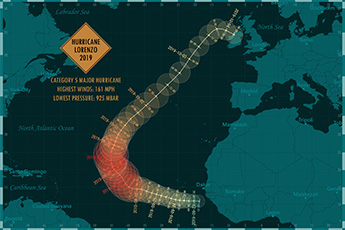
We review September 2025 economic data and indicators, highlighting trends in consumer activity, banking industry trends, inflation, housing, and Fed policy — offering a snapshot of current financial and market conditions.

The FOMC just cut interest rates for the first time in 2025. We detail why this rate cut is different, what it means for your CFI, and how to prepare for any impact.

The FDIC has released its quarterly banking profile for Q2 2025. We review the key data and what it tells us about the health of community banks.

Amidst ongoing signs that a recession could be looming, now is the best time for CFIs to prepare for the worst. The best way to do so may be looking to lessons from past economic downturns, along with changing technological benefits.

We review June 2025 economic data and indicators, highlighting trends in consumer activity, employment, inflation, housing, and Fed policy — offering a snapshot of current financial and market conditions.

With recent Fed funds market changes, CFIs should closely monitor liquidity buffers to ensure adequate cash flow volatility protection. We suggest strategies for a proactive approach.

In a recent webinar from the Kansas City Fed, economic experts discuss the impact of higher production costs, lower commodity prices, and potential new challenges with reciprocal tariffs on agriculture lending.

Amid the current economic uncertainty brought on by tariffs, stagflation fears are rising. We discuss expert analysis and what CFIs can do to support their small business customers in these unsettled times.

As tariffs and potential tariffs alter international trade and supply chain costs, small businesses are bracing for impact. We discuss how to help SMBs weather these higher costs with long-term planning.

We review March 2025 economic data and indicators, highlighting trends in consumer activity, employment, inflation, housing, and Fed policy — offering a snapshot of current financial and market conditions.

In the current economic uncertainty, consumer confidence is falling and spending is expected to slow. We look at how this impacts SMBs and how CFIs can support them.

New tariffs on imports are reshaping trade dynamics, with recent exemptions easing some pressures. CFIs must assess risk exposure, adjust lending strategies, and support affected businesses. We discuss ways to help navigate these evolving policies while maintaining financial stability.

We take a look at January’s economic data, where job growth slowed, trade concerns persisted, and consumer spending remained strong — key trends shaping the outlook for CFIs.

Ongoing economic and operating pressures are squeezing margins, requiring CFIs to find new and innovative ways to remain profitable. We explore some of the ways that CFIs can navigate these profitability challenges while continuing to provide a high-quality service.

From Fed funds rate projections to housing trends, we provide insights on the recent economy using standard indicators for businesses and consumers and share the latest projections for 2025.

After fleeing cities during the pandemic, many are eager to recapture the benefits of urban living. We discuss drivers of the reurbanization trend and how your institution can benefit from it.

Over the past year, the financial sector has witnessed many disruptive forces. In a three-part series, we review the challenges CFIs have faced and how they have responded.

The agricultural community is feeling the pinch of lower commodity costs and many farmers lack adequate capital to continue operating without borrowing. We discuss the trend and the impact on CFIs.

The ABA’s Economic Advisory Committee projects a slowdown in the US economy, but the threat of a recession remains, due to labor market and consumer credit quality concerns. We provide details.