
Key Insights
- As of October 2, 2026, CBP had certified and sent about $126B in IEEPA tariff refunds, including interest, to Treasury for disbursement. Importers generally must request refunds through CBP’s filing process.
- Refunds generally arrive by ACH, subject to limited exceptions. Missing banking details can delay payment and stop interest from accruing.
- Community financial institutions can support customers at each stage, from filing a claim to separating a one-time refund from ongoing performance in credit reviews.
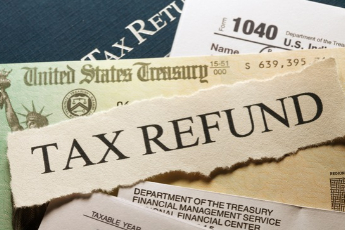
Every year, the IRS holds refunds that taxpayers never claimed. In March 2026, the agency estimated that more than 1.3 million taxpayers had yet to claim about $1.2B in refunds from the 2022 tax year. Taxpayers have three years to claim a refund, and any money still unclaimed after that goes to the US Treasury. Often, the money goes unclaimed simply because the taxpayer never filed a return.
Business importers face a similar catch: being owed money doesn’t mean it arrives on its own. After the Supreme Court struck down tariffs imposed under the International Emergency Economic Powers Act (IEEPA) on February 20, 2026, US Customs and Border Protection (CBP) began refunding roughly $166B in duties paid by more than 330,000 importers. But refunds aren't automatic, and they arrive only by ACH payment to a bank account the importer has on file, subject to limited exceptions. For CFIs, that creates a reason to check in with importing customers at each stage of the refund process.
Before a Claim: Confirm Eligibility and Bring in Experts
CBP refunds IEEPA duties to the importer of record or a properly designated recipient. A business that bought imported goods from a domestic distributor does not qualify for a direct CBP refund merely because tariff costs were included in the purchase price. A wide variety of businesses could apply, including retailers, wholesalers, industrial manufacturers, tech companies, and agricultural distributors.
CFIs can assist in the refund process in a few ways:
- Identify importing customers. Look for commercial accounts that send wires or payments to overseas suppliers. Relationship managers can also ask clients directly.
- Check refund banking details. Since February 6, 2026, CBP has generally required refunds by ACH, subject to limited exceptions. Customers should confirm that current banking information is enrolled specifically for refunds in CBP’s Automated Commercial Environment (ACE) portal; information used to pay duties may not be sufficient.
- Refer them to the right experts. A customs broker can help file through CBP’s online refund system. An October expansion opened the system to certain finally liquidated entries covered by court orders, but access remains limited. Trade counsel can assess entries outside the standard refund process and identify applicable litigation deadlines, some beginning in early 2027.
While Awaiting Payment: Plan Without a Set Date
CBP says refunds are generally issued within 60–90 days of accepting a claim, but timing isn't guaranteed. Claims flagged for review can take longer, and CBP may offset refunds against outstanding debts an importer owes. Litigation also leaves some refunds on finally liquidated entries uncertain. An October 8 court decision certified a class of importers seeking refunds, but certification alone did not authorize payment, and the government continues to challenge the scope of court-ordered relief.
CFIs can encourage customers to plan as if the refund could arrive late or be smaller than expected, keeping existing credit available rather than paying down or closing a line in anticipation of the funds. Customers should also budget around current import costs.
Although IEEPA tariffs have ended, Section 301 tariffs now cover imports from 60 economies, with rates and exemptions varying by country and product. Before recording an expected refund, customers should consult their accountants, since the appropriate timing depends on the accounting approach and their specific circumstances.
After Receipt: Start the Cash Conversation
A refund usually arrives as a single payment that includes interest, which can make it a sizable deposit for a small business. Refunds may also arrive in multiple payments, grouped by importer or designated recipient and liquidation date.
This makes it a natural moment for relationship managers to reach out. These conversations could focus on:
- Paying down debt. Customers that borrowed to cover tariff costs may want to reduce balances on a line of credit or term loan.
- Rebuilding working capital. About 60% of surveyed small goods and retail firms facing higher imported-input costs reported absorbing at least some of those increases in 2025. A refund can help the business restore cash reserves or fund its next inventory order.
- Putting extra cash to work. Funds not needed right away can go into money market accounts, CDs, or sweep accounts that keep the money working and the relationship growing.
In Credit Reviews: Separate a One-Time Recovery from Ongoing Performance
Refund recognition may temporarily increase earnings and, depending on its classification, margins, making a borrower’s financials look stronger than its ongoing performance warrants. To keep the picture clear, lenders should ask customers or their accountants which line items the refund affected, then adjust for any refund and related interest included in margins, earnings, and debt service coverage. Current tariff costs should also factor into the review, since periods without the one-time recovery may provide a better guide to future performance. For conservative underwriting, lenders should avoid relying on pending refunds to support repayment capacity or serve as collateral.
Many small business importers may still be owed money, and some may not know it. CFIs that reach out now can encourage customers to consult trade counsel about applicable claim deadlines, help them plan how to use any proceeds, and ensure credit decisions reflect ongoing business performance rather than a one-time refund.