

Artificial intelligence (AI) needs lots and lots of computer power to enable its magic, so much so that it is scooping up more and more Random Access Memory (RAM) chip production, causing shortages and price spikes. It’s gotten so serious that tech mavins have started referring to it as RAMageddon.The pandemic-era microchip shortage spawned by supply chain breakdowns is long gone, but a new computer memory shortage has burst onto the scene as the explosion of AI is gobbling up computing power at an alarming pace.Community financial institutions (CFIs) will recall that the chip shortage of 2021 caused long delays in shipments of smart cards, hampering both new issuance and replacements. This time around, the shortage is much broader and deeper, affecting myriad tech functions and uses within financial institutions, from smart cards to ATMs to desktops and laptops. AI’s Role in the Chip ShortageAI is built on server banks that use RAM chips, and the rapid growth and expansion of AI has created demand for RAM that is outstripping the ability of chip makers to keep up. Soaring demand and limited supply have not only led to shortages but have also sent prices soaring. Server chips have nearly doubled in price in Q1 2026, if they can be found at all. Data centers are scooping up nearly 70% of new chip production. Everyone else is being pushed to the back of the line. Unfortunately, it’s not just sophisticated computer server equipment that is affected. The bottleneck is rippling through memory production in general and, once again, putting a crimp on production of smart cards.The Outlook for Microchip ProductionThe memory shortage is expected to continue well into 2027 and may linger all the way to 2030. That’s because building new chip production is expensive and complicated. To respond to demands from AI, chipmakers have been shifting emphasis toward the kind of chips these top customers need and away from chips that are used in devices like laptops and smartphones. As a result, computer prices are rising. Major laptop and PC makers are projecting price hikes of 15%-30% as a result of soaring chip prices. What the Microchip Shortage Means for CFIsFinancial institutions use a lot of memory chips, so the memory chip shortage will make technology upgrades and maintenance more difficult and costly. Employee laptop, tablet, and smartphone purchases will also cost considerably more. IT and management may become more selective of which employees receive these devices. ATM machines will be more expensive to buy and to maintain, and banks may find long delays in getting chips for these machines. Any digital upgrades that require extra computing power will face challenges, including any server upgrades.Solutions and Strategies for the Microchip ShortageSince AI shows no sign of slowing down, the path to memory stabilization hinges on more production. Chipmakers are responding. Micron Technology, the largest US chip maker, is building a $50B addition in Idaho that is the size of 10 football fields. That’s the biggest of several new production facilities in the works for Micron. However, even that won’t help alleviate the immediate problems.Financial institutions, meanwhile, are working on ways to manage the shortage and absorb the added costs. They are ordering much farther in advance than is typical and reprioritizing needs according to which are most critical or most revenue-producing. Others are extending the time that customer banking cards are kept in circulation and promoting the use of virtual cards. In addition, financial institutions are looking at the risks associated with chip shortages and price spikes and trying to plan accordingly. For instance, they are evaluating risks from delaying upgrades/replacement of microchip-dependent equipment and seeking ways of buffering against equipment issues. Another workaround is exploring alternative microchip sources and developing contingency plans, in case they need to replace equipment after a disaster.AI has brought significant enhancements to the way banks operate, but AI’s voracious appetite for computing power has outstripped supplies. CFIs should be aware of and plan their response to the rising price pressures and shortages in memory chips.

BID® Daily Newsletter
Apr 13, 2026
BID® Daily Newsletter
Apr 13, 2026
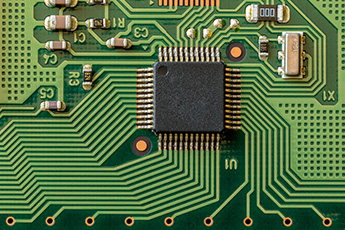
How AI-Driven RAM Shortages Will Hit Community Bank Tech
Summary:
AI’s booming demand for RAM is driving chip shortages, higher device costs, and delayed upgrades; learn how community banks can plan tech budgets, prioritize critical hardware, and mitigate RAMageddon risks.
Subscribe to the BID Daily Newsletter to have it delivered by email daily.
Related Articles:

How CFIs Can Plan For a Less Predictable Environment
Several independent forces are converging to make 2026 planning assumptions less reliable than they've been in years. We look at three of these forces and suggest practical steps CFIs can take now to prepare for a range of different outcomes.
Several independent forces are converging to make 2026 planning assumptions less reliable than they've been in years. We look at three of these forces and suggest practical steps CFIs can take now to prepare for a range of different outcomes.

Succession Planning as a Strategic Advantage for CFIs
Bank Director's 2026 Compensation & Talent Survey reveals that just 9% of CFIs have a CEO succession plan and timeline in place. We explore the survey's findings and what CFIs can do to strengthen their succession planning.
Bank Director's 2026 Compensation & Talent Survey reveals that just 9% of CFIs have a CEO succession plan and timeline in place. We explore the survey's findings and what CFIs can do to strengthen their succession planning.